
Top 5 plants for beginners Which indoor plants are easiest to grow when you’re just starting out?
Let me guess—you bought a plant once, felt like a responsible adult for exactly three days, and then… well, things didn’t go as planned. I’ve been there. Twice. Maybe five times.
But here’s the good news: not all plants are dramatic. Some are surprisingly chill, almost like learning —confusing at first, but once you get the hang of it, you wonder why you ever hesitated.
In this guide, I’ll walk you through five beginner-friendly indoor plants. And yes, I’ll break things into simple points (because nobody wants a jungle of text), plus throw in a few coding-style comparisons—think of it as a weird but helpful mashup of gardening and tutorial for beginners.
1. Snake Plant (Heroic plant for beginners)
If plants had personalities, this one would be the quiet overachiever.
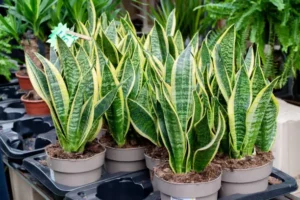
Why it’s perfect plant for beginners:
- Survives low light (yes, even that dim corner)
- Doesn’t need frequent watering
- Improves indoor air quality
Care in simple points:
- Water: Every 10–14 days
- Light: Low to bright (very flexible)
- Soil: Well-draining
This is where starts making sense—you don’t need constant action, just smart timing. Honestly, learning this plant feels easier than .
2. Money Plant (The Overenthusiastic Grower)
This one grows like it has something to prove.
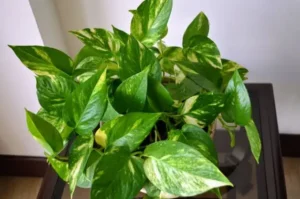
Why beginners love it:
- Fast growth (instant gratification!)
- Can grow in water or soil
- Hard to kill
Care breakdown:
- Water: Once a week
- Light: Indirect sunlight
- Bonus: Trim regularly to control growth
Think of it like:
- A practical lesson in You see results quickly, which keeps you motivated ,When comparing progress, it’s like —one manages growth locally, the other shows it off.
3. Peace Lily (The Slightly Dramatic One)
This plant will tell you when it’s thirsty. Literally droops like it’s staging a protest.
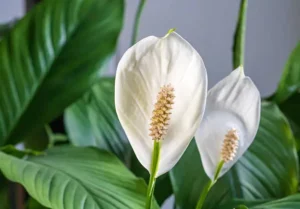
Why it’s still plants for beginner-friendly:
- Clear visual signals (great for learning)
- Beautiful white flowers
- Helps purify air
Care tips:
- Water: When leaves droop
- Light: Medium, indirect
- Humidity: Loves a little mist
Debugging-style thinking:
- Droopy leaves = error message
- Watering = quick fix
This is where Version control with oddly fits:
- You observe changes
- You respond
- You improve over time
And yes, understanding this rhythm feels a lot like figuring out without losing your mind.
4. Spider Plant (The Friendly plant for beginners)
This one makes baby plants. A lot of them.
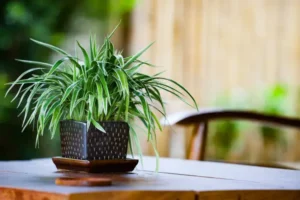
Why it’s fun:
- Produces “pups” you can replant
- Very forgiving
- Looks lively and fresh
Care points:
- Water: Moderate (don’t overdo it)
- Light: Bright, indirect
- Trim: Remove brown tips
This is hands-on learning—kind of like a playful tutorial plants for beginners where mistakes don’t cost you anything.
And once again, the idea of scaling feels similar to —local growth vs shared expansion.
5. Aloe Vera (The Useful Minimalist)
Not just a plant—your personal first-aid kit.
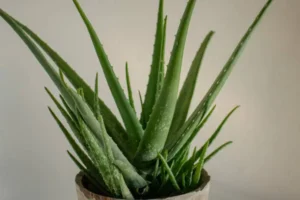
Why it’s beginner-approved:
- Needs very little water
- Medicinal benefits
- Thrives on neglect
Care essentials:
- Water: Every 2–3 weeks
- Light: Bright sunlight
- Soil: Sandy, well-drained
Think like this:
- Overwatering = system crash
- Dry soil = stable environment
This kind of restraint mirrors commands basics—knowing when not to act is just as important.
Quick Comparison (Because Choices Are Hard)
Let’s simplify everything:
- Snake Plant → Best for forgetful people
- Money Plant → Best for fast results
- Peace Lily → Best for visual learners
- Spider Plant → Best for propagation fun
- Aloe Vera → Best for low effort + utility
Each one teaches patience in its own way—just like control with teaches structure over chaos.
Final Thoughts (From Someone Who’s Killed a Cactus)
Starting with indoor plants doesn’t mean becoming a plant expert overnight. It’s more like learning —you experiment, mess up, retry, and slowly improve.
And somewhere along the way, the confusion around fades… just like your fear of overwatering.
If you remember nothing else, remember this:
- Don’t overwater
- Give enough light
- Observe before reacting
That’s it.
Honestly, both gardening and follow the same rule—consistency beats perfection every single time.
So pick one plant, start small, and don’t stress if things go sideways. Even seasoned gardeners (and developers following a tutorial plants for beginners) still learn something new every day.
And who knows? A few months from now, you might be the one giving plant advice like a pro… or at least keeping one alive long enough to brag about it 🙂